
Attachment styles and relationship difficulties
How do the roots of our first childhood bond affect our emotional relationships today, and is it possible to change your attachment style and build greater inner security?
I’m Hatem Asadi, a clinical psychologist based in Israel. I offer online therapy in English for UK clients who want to understand attachment anxiety, emotional distance and recurring relationship difficulties. Sessions last 50 minutes and are available by advance booking.
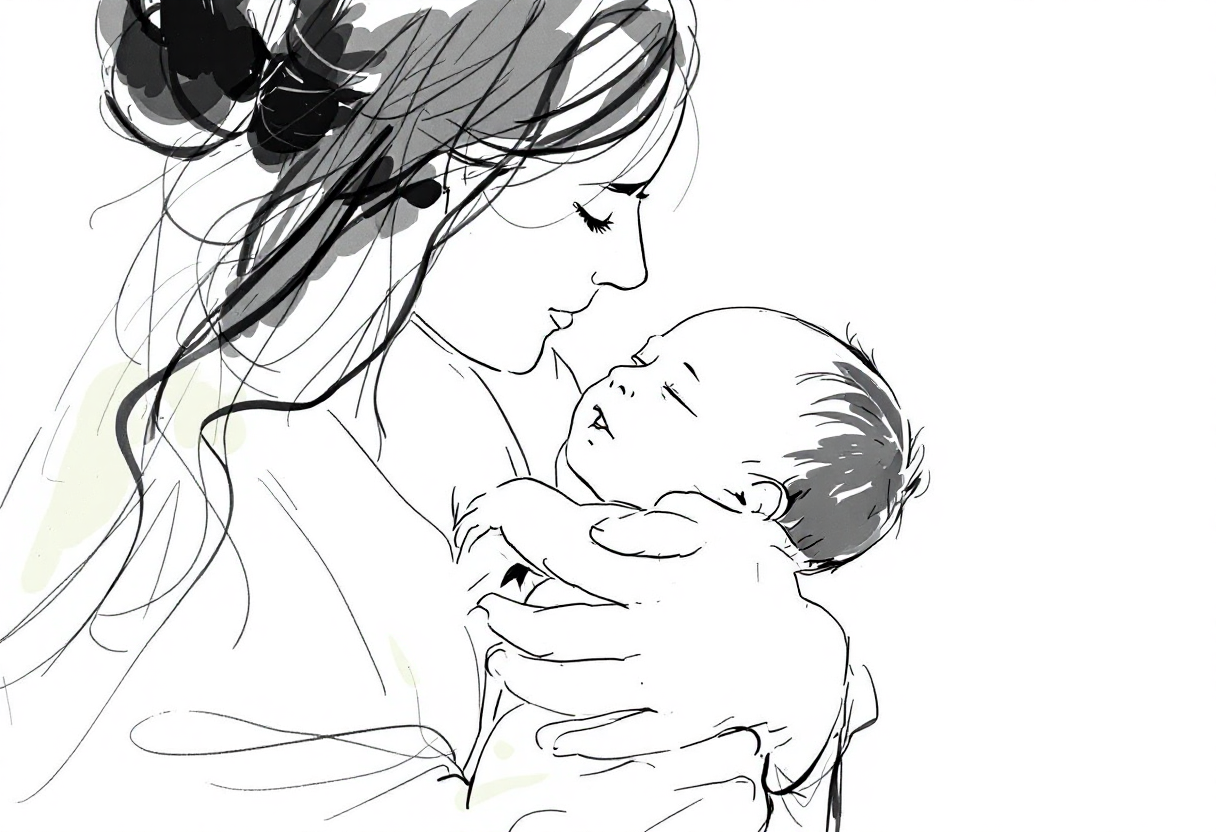
What Is Emotional Attachment? A Comprehensive Definition and Its Effect on Relationships
Emotional attachment is the deep emotional bond that connects one person to another. The phenomenon was first observed in the bond between an infant and their mother. The pioneers of psychology John Bowlby and Mary Ainsworth discovered that the mother's response and support of the child instill a sense of security in them and lead to the development of secure attachment. By contrast, when care and attention are inconsistent, rejecting, or neglectful, an insecure attachment style may develop.
The Roots of Emotional Attachment in Childhood
Attachment styles begin from the very first moments of the bond between a child and their caregiver
These early experiences form the foundation on which we later develop our emotional patterns. They affect our ability to trust, physical and emotional closeness, and communication. When a parent responds to a child's crying with warmth and consistently provides comfort, the child learns that the world is a safe place and that their needs matter. By contrast, when a child is neglected or meets changing and unpredictable responses, they develop defense strategies for coping with emotional insecurity. These strategies, although helpful in childhood, may become an obstacle to healthy relationships in adulthood.
How Is a Person's Attachment Style Formed?
The first experiences become inner templates that shape how we seek reassurance, how we deal with hurt, and how we show our vulnerability. The brain develops “internal working models” based on repeated interactions with close people. These models become lenses through which we see ourselves and others: “Am I worthy of love?” “Can others be trusted?” These beliefs are stored in the unconscious and automatically affect our expectations and behaviors in relationships, even before we are aware of it.
The Effect of Attachment on Trust and Emotional Closeness in Adulthood
Our relationships in adulthood – romantic, social, and even professional – often reenact the way we learned love in childhood. Someone who grew up with secure attachment tends to choose healthy partners and maintain balanced relationships. Someone who experienced disrupted attachment experiences may find themselves repeatedly drawn to relationships that reenact the same painful dynamics, or struggle to maintain relationships over time because of difficulties with trust or closeness.
Types of Attachment Styles in Adults
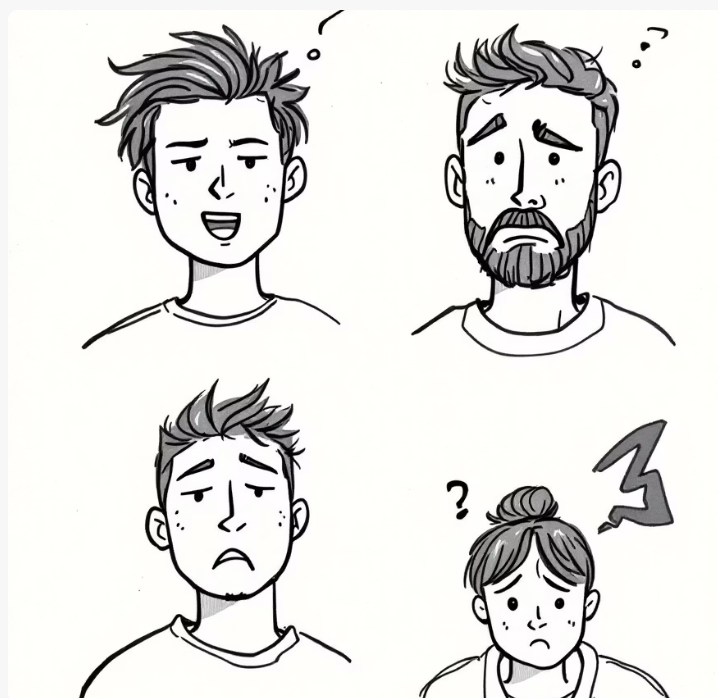
Secure, anxious, avoidant, and disorganized – different styles for the same need for emotional security
Psychology researchers define four main attachment styles in adults: secure, anxious, avoidant, and disorganized. The styles differ from one another along two main axes: fear of rejection and comfort with emotional closeness. Understanding these styles helps us understand why we respond in certain ways in our relationships, and gives us a roadmap for change and growth.
Secure Attachment – Characteristics and Behaviors
Comfort with Closeness People with secure attachment feel comfortable in intimate relationships and are not afraid of mutual dependence. They are able to get close to a partner without fear of losing their independence, and give others space without feeling threatened.
The Ability to Ask for Needs and Communicate Clearly They express their feelings and needs openly and clearly, without resorting to manipulation or attack. They listen attentively to their partner's needs and strive for mutual understanding, treating disagreements as an opportunity for growth rather than a threat to the relationship.
Stable and Balanced Relationships They tend toward long-term relationships characterized by trust and mutual support. They manage to balance intimacy and independence in a healthy way, and recover quickly from ordinary disagreements.
Anxious-Preoccupied Attachment – So-Called “Over-Attachment”
A Strong Need for Closeness People with anxious attachment feel a strong desire for closeness and complete merging with their partner, and are sometimes perceived as “demanding” or “needy.” This need stems from a deep fear of abandonment, not from a weakness of personality.
Fear of Rejection or Loss They live in constant alert for any sign that may indicate a partner pulling away or losing interest. Even a small delay in replying to a message can trigger deep fears of rejection, leading to strong anxiety and intense emotional reactions.
Repeated Reassurance-Seeking and Over-Analysis They need repeated confirmation from their partner that they are loved and wanted. They spend a lot of time analyzing their partner's words and behaviors in search of hidden meanings, which can lead to misunderstandings and unnecessary tension in the relationship.
Avoidant Attachment – The Rejecting Style
High Value Placed on Independence People with avoidant attachment give high priority to their independence and personal freedom. They feel more comfortable relying on themselves, and may see needing others as a kind of weakness or a threat to their identity.
Avoiding Emotional Intimacy and Expressing Needs They tend to keep an emotional distance from others, and avoid deep conversations or revealing their true feelings. They may interpret requests for emotional closeness as attempts at control or interference in their lives.
Difficulty Relying on Others They prefer to solve problems on their own and are uncomfortable when they need others. They may downplay the value of emotional relationships and focus excessively on personal or professional achievements as a source of self-esteem.
Disorganized Attachment – The Anxious-Avoidant Style
A Combination of Anxiety and Avoidance This style combines a strong desire for closeness with a deep fear of it at the same time. People with disorganized attachment want love and intimacy but feel terror when they receive them, creating a painful inner conflict.
Swings Between Approaching and Pulling Away Their behavior in relationships is often inconsistent and hard to predict. They may urgently seek closeness and then suddenly withdraw when they feel vulnerable, which confuses partners and creates cycles of conflict and reconciliation.
Often Linked to a History of Trauma This style usually forms from painful childhood experiences in which the child's caregiver was themselves a source of both fear and safety, such as cases of severe neglect, abuse, or the sudden loss of a parent.
How Do Attachment Styles Affect Emotional Relationships?
Romantic Relationships
Your attachment style can influence how much closeness you need, and how you deal with disagreements and with feeling hurt. In romantic relationships, an anxious person may feel intense jealousy or fear of separation in every small disagreement, while an avoidant person may seem cold or emotionally detached when a partner needs support. A person with secure attachment can handle disagreements in adulthood and maintain an emotional connection even in times of stress.
Friendships and Social Relationships
Anxious attachment may show up as high sensitivity to rejection, and avoidant attachment as emotional distance. Friends with anxious attachment may be hurt by simple acts such as not being invited to a social event, and interpret it as a sign of personal rejection. Avoidant friends may seem indifferent or keep relationships superficial, and avoid deep sharing in their friends' lives, which can lead to misunderstandings and mutual pain.
Interaction at Work
Attachment can even affect trust in colleagues, comfort with collaboration, and the ability to ask for support. An employee with anxious attachment may constantly seek validation from their manager or feel excessive anxiety about constructive feedback. An avoidant employee may refuse to ask for help even when they need it, and prefer independent work over collaboration. These patterns can affect professional performance, chances of promotion, and job satisfaction.
Can You Change Your Attachment Style?
How Do Patterns Change Over Time?
Attachment styles are not fixed. They can develop under the influence of new relationships, self-awareness, and psychological therapy. A secure and stable romantic relationship can help an anxious person feel safer over time, while an experience of betrayal or painful loss may temporarily shift a person from secure attachment to less secure styles.
Self-Awareness as a First Step
Understanding your style helps you see the roots of your feelings and behaviors clearly. When you begin to recognize your attachment style, you can notice how it appears in particular moments, such as: “I'm asking for repeated reassurance because I feel anxious, not because my partner did something wrong.” This awareness creates a gap between the feeling and the action, and lets you choose a different response instead of the automatic one.
Factors That Help in the Move Toward Secure Attachment
Supportive relationships, emotional regulation, and self-empathy play a central role. A relationship with a secure partner can provide a “corrective emotional experience” that can help reshape your expectations about relationships. Learning emotion-regulation skills, such as deep breathing and mindfulness, helps you stay present in difficult moments instead of being swept into the old patterns.
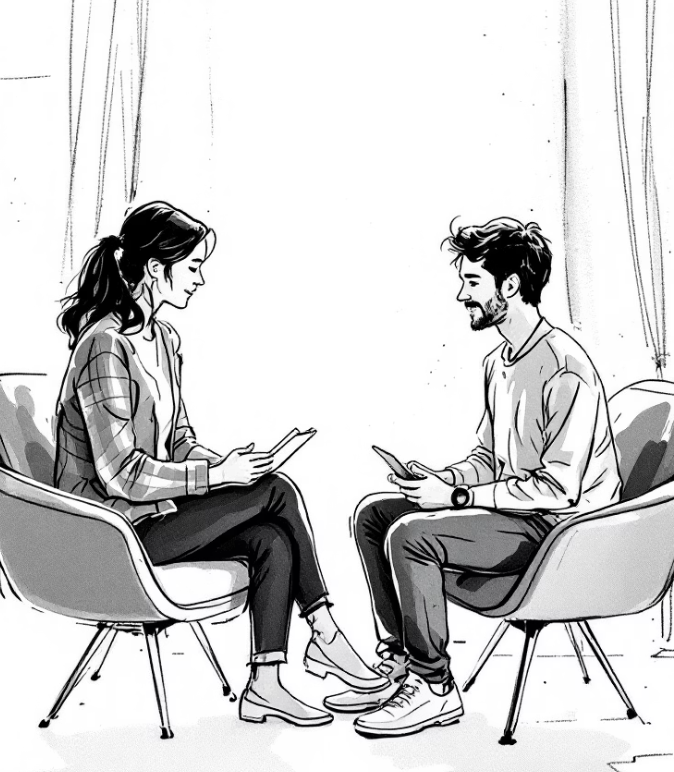
Psychological Therapy and Its Role in Building Secure Attachment
Sometimes a conversation in a safe therapeutic space is the beginning of understanding attachment styles and changing them.
Exploring the Roots in Therapy
Therapy helps you understand why you feel or act the way you were accustomed to. By exploring family history and childhood experiences, you begin to see the links between the past and the present. You may discover that your fear of abandonment stems from an early experience of loss, or that your avoidance of intimacy is a defense mechanism you developed to protect yourself from being hurt again. This understanding does not justify hurtful behaviors, but it creates self-compassion and removes blame, and opens the door to real change.
The Therapeutic Relationship as a Model for Secure Attachment
Consistency, empathy, and acceptance within the session create a model of a secure relationship. The therapist provides what is called a “secure base,” in which difficult feelings can be explored without fear of judgment or rejection. Consistency in session times, clear boundaries, and the therapist's emotional presence create an environment in which trust can be safely tested. Over time you absorb this positive experience and begin to generalize it to your relationships outside therapy.
Earned Security: New Skills for Regulating Emotions
Therapy teaches you to express needs, tolerate discomfort, and gradually rebuild trust. You learn to name your feelings precisely and to ask for what you need clearly and without aggression. You practice tolerating unpleasant emotions, such as anxiety or vulnerability, without immediately turning to the old defense mechanisms. Through these repeated experiences within the sessions, you build “earned security,” a form of secure attachment that develops consciously in adulthood despite a history of insecure attachment in childhood.
Practical Steps for Building Healthier, More Secure Attachment
Emotional Regulation
Self-regulation is the foundation of healthy coping with stress and conflict. When you feel emotionally flooded, whether with anxiety, anger, or sadness, the ability to calm yourself is critical. Regularly practice techniques such as deep breathing, meditation, or mindfulness, and learn to recognize early signs of emotional activation and take calming steps before you respond.
Asking for Needs Clearly
Open communication helps build deeper relationships. Instead of expecting others to read your mind or relying on indirect hints, practice expressing your needs directly using sentences that start with “I” rather than “you.” Clarity reduces misunderstandings and builds trust.
Self-Compassion
Healing the wounds of the past begins with self-acceptance and understanding. Treat yourself the way you would treat a dear friend going through a hard time. When you notice yourself slipping into old patterns, remember that these patterns were developed to protect you at the time, that you are doing the best you can now, and that change is a cumulative process.
When Does Psychological Therapy Help? And Why Does It Work?
When Should You Seek Therapy?
When you notice that your relationships repeat the same conflicts, or when you struggle with closeness or trust. If you find yourself moving from relationship to relationship with the same problems, or if you feel unable to open up even with safe people, it may be time to seek professional help. Likewise, if you suffer from persistent anxiety about your relationships, intense fear of abandonment, or a tendency to end relationships before they become serious in order to protect yourself from possible hurt, therapy can help.
Why Is Therapy Considered a Safe Space for Change?
A stable, supportive relationship helps you try new emotional experiences. Unlike personal relationships, the therapeutic relationship is designed specifically to support your growth, without a personal agenda. The therapist will not leave you if you get angry, cry, or show your vulnerability, and this stability creates a safe environment for exploring deep feelings. Confidentiality and its limits are discussed at the start of therapy, helping you understand how your information is handled, so new patterns of interaction can be tried before carrying them into everyday life.
If you felt that what you read touches you or describes something from your experience in relationships, exploring your attachment style may be an important step on the way to building inner security and healthier relationships.
Online therapy with Hatem Asadi, clinical psychologist
In therapy, we work on understanding the client's attachment style and its effect on their current relationships. We take an evidence-based therapeutic approach, which includes working on emotion regulation, expressing needs, and understanding the roots of insecure attachment. We provide a safe and consistent therapeutic space that helps the client build a greater sense of inner security, improve their trust in others, and develop more balanced and stable relationships. Over time and with appropriate therapy, many clients manage to break old patterns and build healthy emotional relationships.
Online sessions for UK clients
I am based in Israel and offer online therapy in English to clients physically located in the United Kingdom. In-person appointments are available in Israel.
Sessions last 50 minutes. Appointments are available by booking in advance.
When enquiring, please include your country and, for UK clients, whether you are in England, Scotland, Wales or Northern Ireland. We will confirm suitability and appointment arrangements before starting therapy. If you are elsewhere, please enquire about availability for your location.
Enquire about online therapyExplore related support
Online therapy with Hatem Asadi · Anxiety and depression therapy · OCD therapy and ERP · Attachment patterns and relationships
You can get in touch: